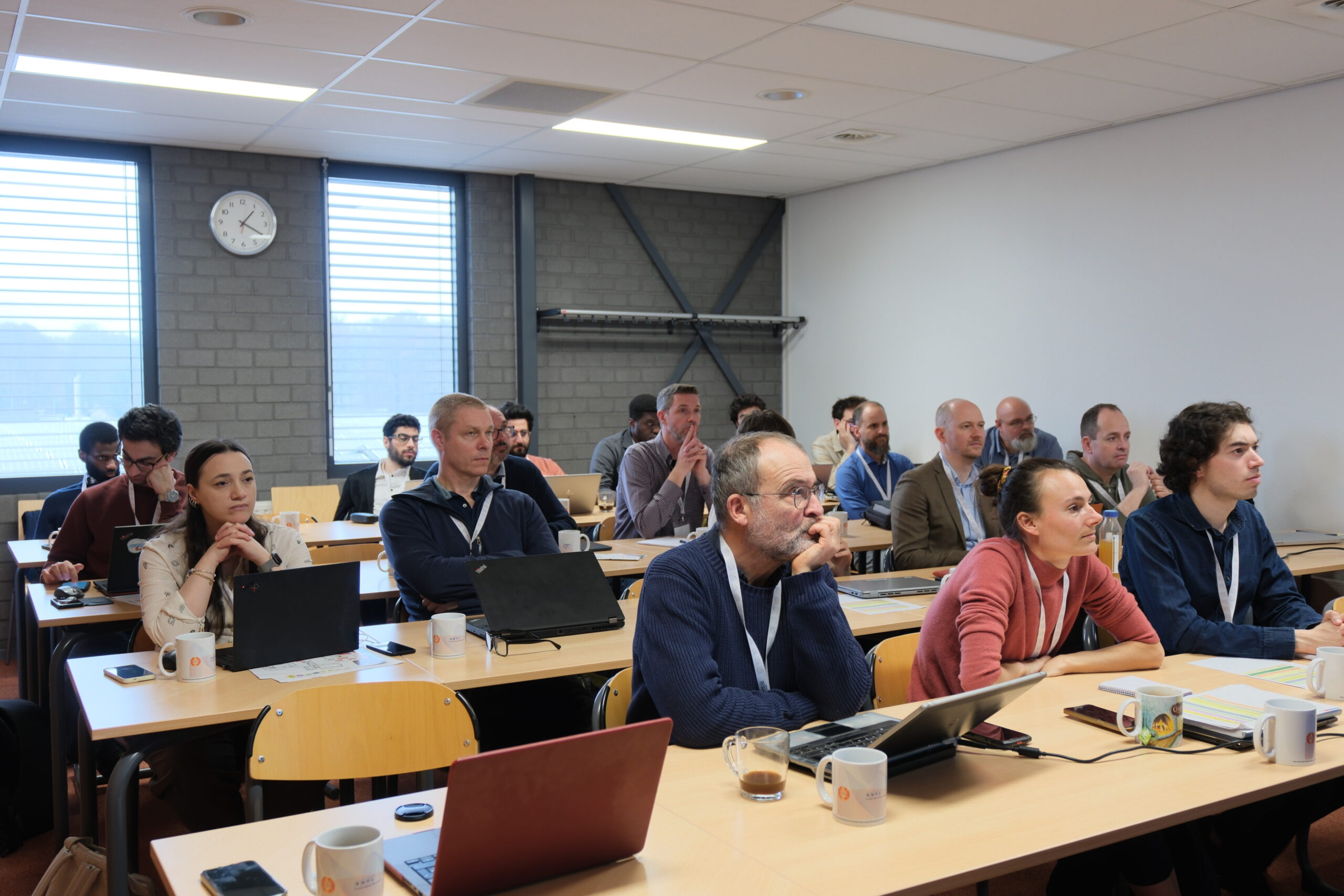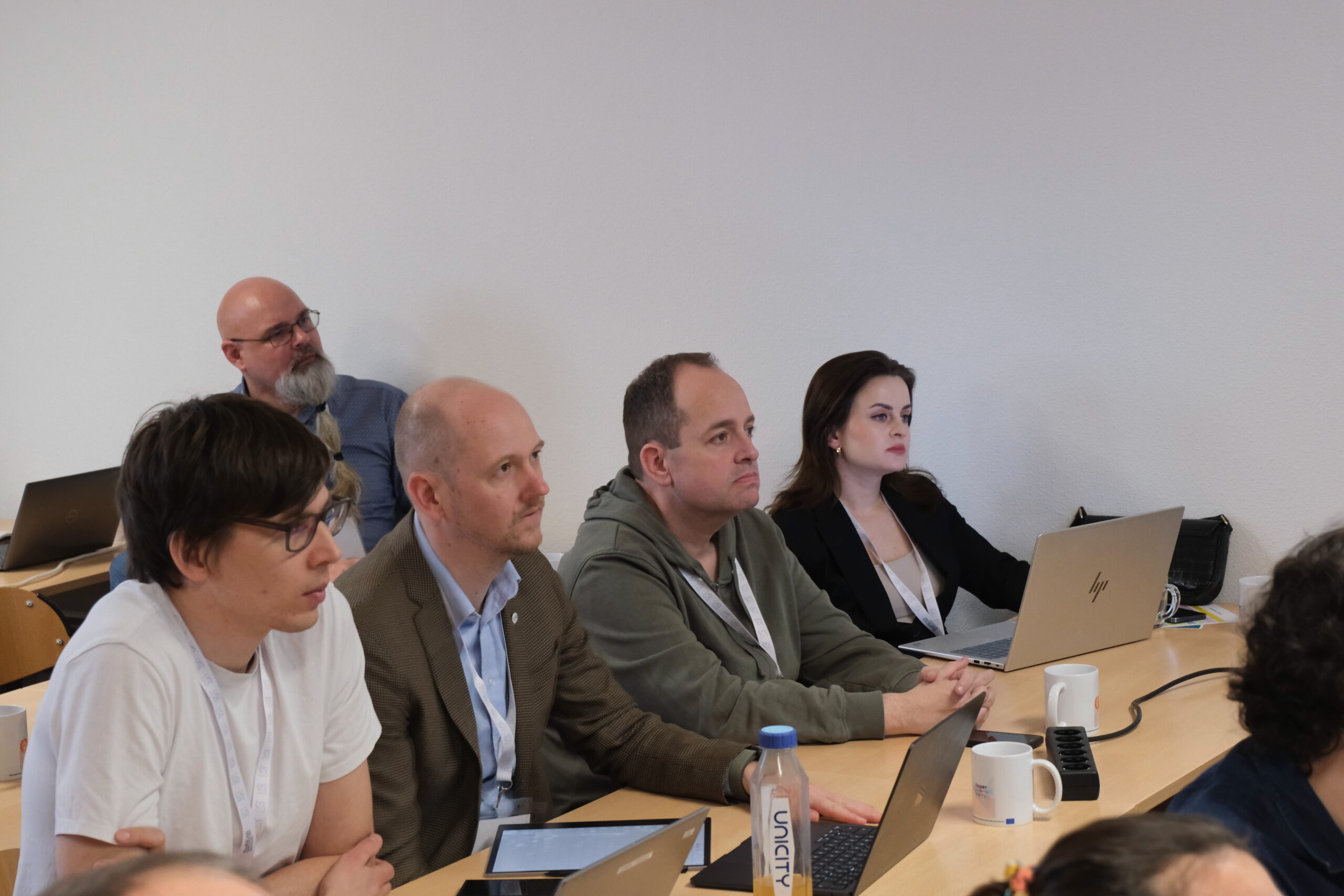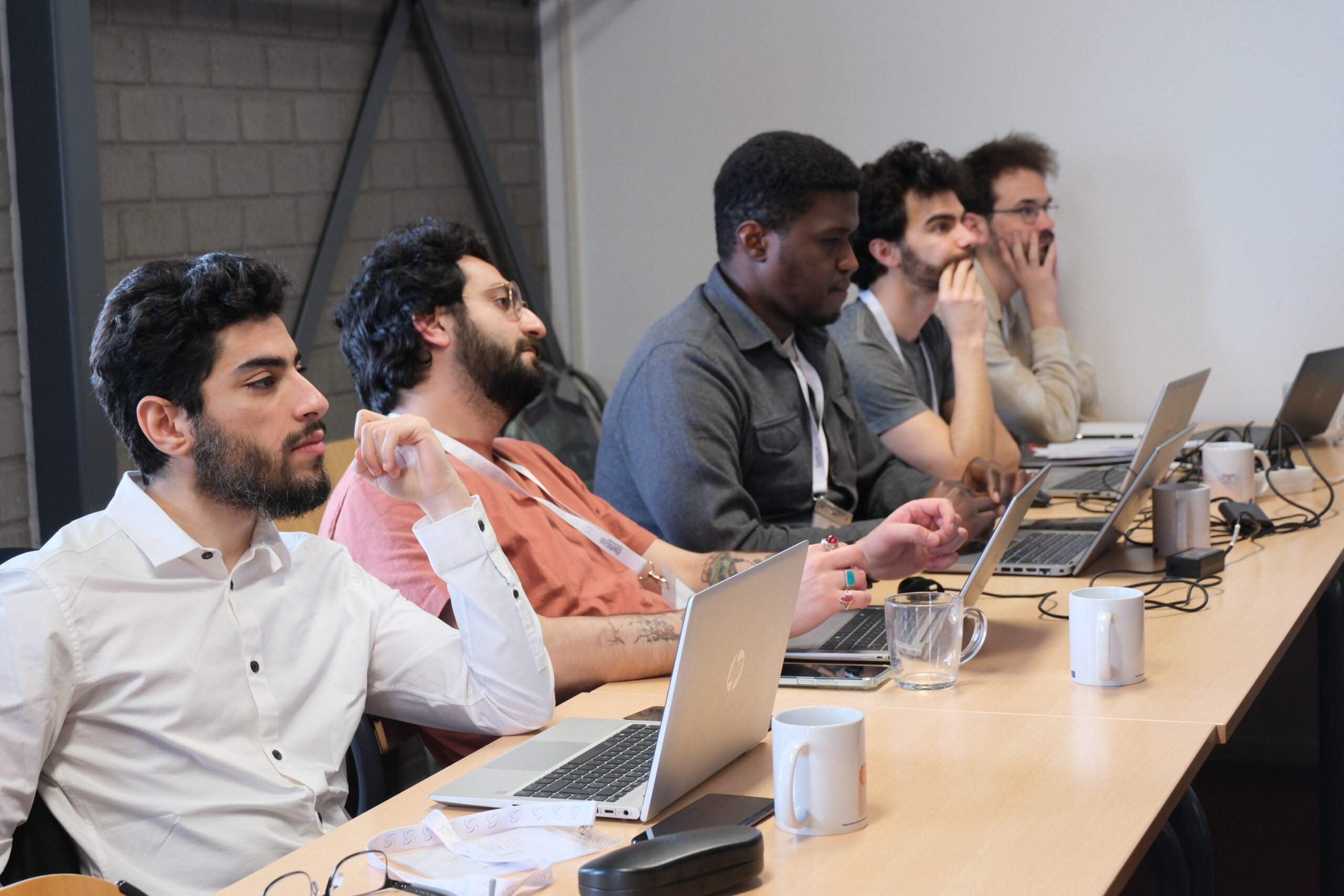
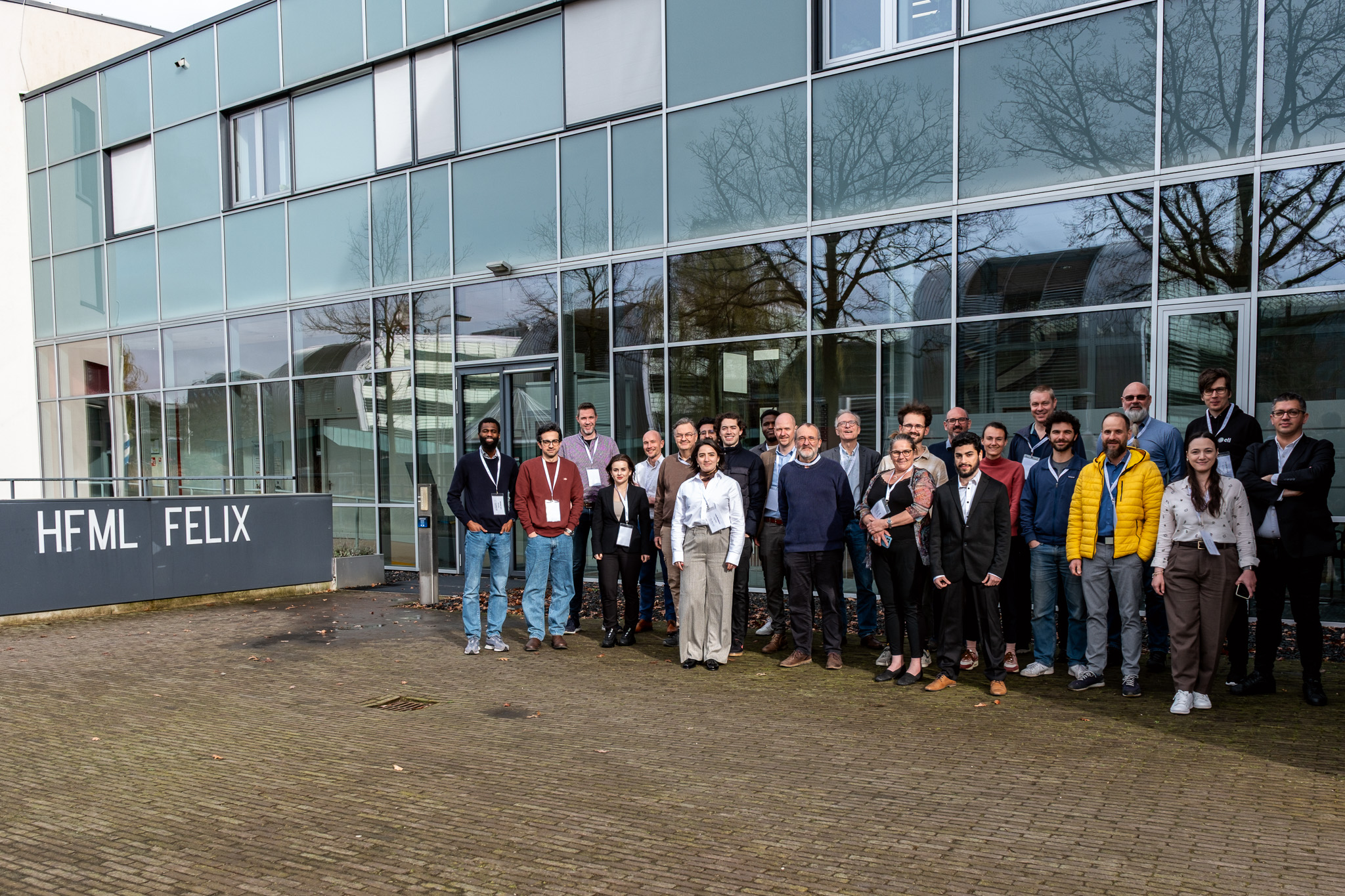
The 4th FlexRICAN Consortium Meeting was held on March 11-13 in Nijmegen, Netherlands. HFML-FELIX of EMFL, a member of the FlexRICAN consortium, hosted the three-day event running from noon to noon.
The first day of the event focused on the meeting objectives and the reporting by Work Package (WP) Leaders. All Technical Leaders provided an overview of their respective WPs, submitted Deliverables, completed Milestones and the tools which are in the process of development.
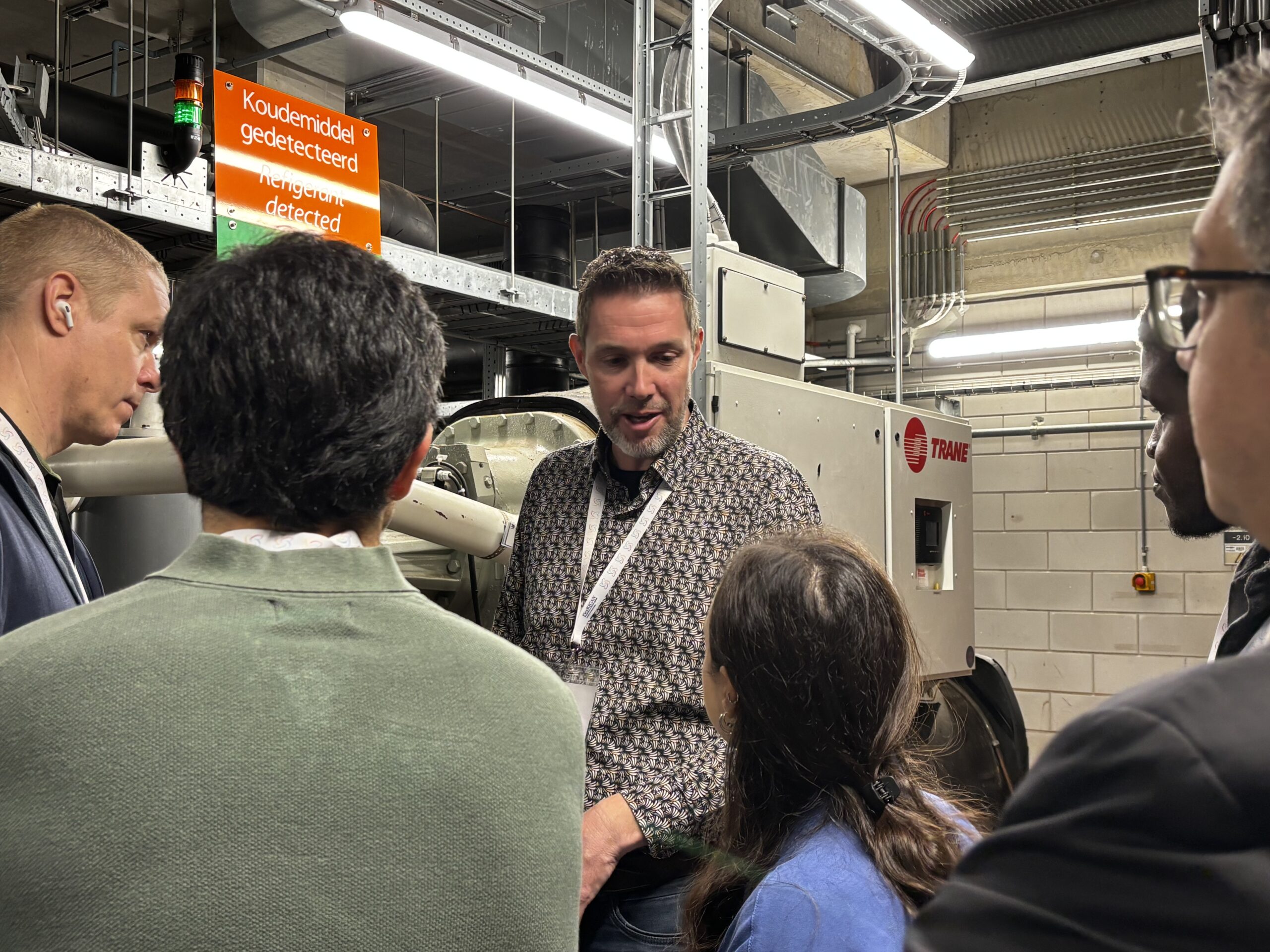
The second day of the event was crucial for both the demonstration of the tools under development and planning for the remainder of the project. The day started with the Steering Board meeting, followed by a site visit to HFML-FELIX. The participants of the event were introduced to the lab and instruments, and the energy efficiency and sustainability-related activities.
During the remaining part of the second day, three tools and two case studies were presented to the rest of the consortium. ELI-ALPS presented a case study of the installation of PV Panels at their facility, and the environmental company TranSyLience shared the insights from their Life Cycle Assessment of the helium recycling loop of CNRS laboratories in France. Partners from ELI ERIC, Energy Pool and ESS ERIC demonstrated the tools developed by them in collaboration with the other partners from the consortium, respectively:
- Digital Tools for Energy Chain and Battery Planning, Intelligent BMS and Cleanroom Optimisation – a web-based techno-economic decision-support platform for optimising RI internal energy chains and BESS integration, utilising scenario-based modelling under climate-projected constraints to mitigate power-quality risks and evaluate upstream grid impacts.
- JOSE – a simulation and valuation tool for demand-side flexibility, facilitating the technical modelling and multi-market economic assessment of flexible energy assets.
- SunRISE – a Jupyter notebook-based decision-support tool for Research Infrastructures, utilising multi-source data to optimise solar array configurations through high-fidelity performance modelling, lifecycle carbon assessments, and rigorous financial analysis.
Recordings of these demonstrations and case studies will be posted on FlexRICAN YouTube channels in the upcoming weeks.
In addition to the 9 Key Exploitable Results (KERs) developed during the FlexRICAN project, the consortium works on other tools that will also encourage and support the transition of the RIs into a greener future. To find more information about the 9 KERs, check FlexRICAN’s previous news releases.
The 4th FlexRICAN Consortium Meeting in Nijmegen, Netherlands has played a crucial role in bringing all the WP Leaders together to showcase their progress and developed tools, and evaluate the technical areas to improve. The progress of the KERs and developed tools, and their impact, will be shared in more detail on the FlexRICAN website.